Mama Mood Mother’s Day: An Embroidery Review
When evaluating a new machine embroidery design for my shop, I look past the digital preview and immediately imagine how it will behave under the needle. The Mama Mood Mother’s Day graphic initially caught my eye because of its sunset-inspired palette of magenta and vibrant orange. As a designer who creates both custom apparel and personalized gifts, I know that color gradients and script fonts can be tricky to translate from screen to fabric. This review breaks down my practical assessment of this design for real-world production, focusing on stitch integrity, commercial viability, and the specific challenges of working with dainty hand-drawn accents in an embroidery context.
Translating Sunset Gradients to Thread
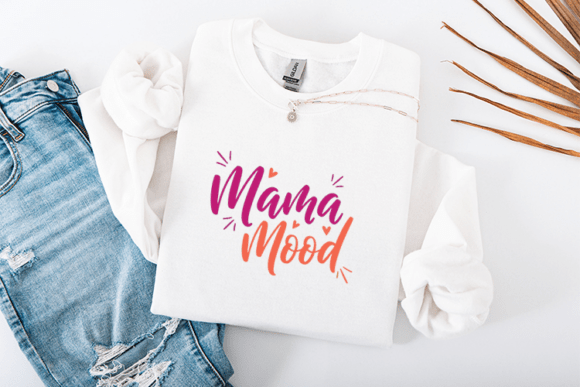
The first thing any experienced embroiderer notices about Mama Mood Mother’s Day is the color story. Magenta and vibrant orange are high-impact choices that evoke warmth and nostalgia, perfect for Mother’s Day merchandise. However, in a digital illustration, these colors blend seamlessly. In embroidery, we must rely on thread blending or distinct color changes. Before stitching this as a sweatshirt embroidery project or a tote bag design, I strongly advise checking if the embroidery file includes gradient shading or solid blocks of color.
If the design uses solid blocks, you will need to select thread colors that complement rather than clash. A variegated thread might mimic the sunset effect better than two starkly contrasting solids. For a handmade product intended for sale, this color choice directly impacts perceived value. On a cream or white sweatshirt, these warm tones will pop beautifully. On darker fabrics, however, you may need to add an underlay or a light outline to prevent the vibrant orange from getting lost against black or navy material. Always test your specific thread brand against the fabric texture before committing to a full production run.
Script Fonts and Stitch Integrity
The beautiful script font featured in Mama Mood Mother’s Day is visually stunning on screen, but script is notoriously unforgiving in embroidery. Thin, dainty lines often translate to running stitches or narrow satin columns. My primary concern here is durability. If this design is destined for a baby embroidery project or a frequently washed apron, those delicate connecting lines in the script are potential failure points.
For commercial embroidery applications, I recommend inspecting the digitizing closely. Are the thin accents true satin stitches, or are they single running stitches? Single running stitches can break easily during washing or wear. If you are using this for a personalized gift that needs to last decades, consider slightly thickening the finest details in your editing software or choosing a heavier weight thread. Conversely, if this is for a decorative pillow cover or wall art where washability is less critical, the dainty aesthetic can remain as-is. Understanding the end-use dictates whether you preserve the delicate illustration style or reinforce it for longevity.
Real-World Application: The Custom Sweatshirt Test
To truly evaluate Mama Mood Mother’s Day, I mentally placed it on a heavyweight cotton fleece sweatshirt, a staple for Etsy sellers and small shop owners during the spring season. Sweatshirts have significant texture and stretch, which presents unique challenges for detailed graphics. The "dainty hand-drawn" accents mentioned in the product description require careful stabilization.
In this scenario, I would use a medium-weight cutaway stabilizer to prevent the fabric from shifting. Because the design features organic shapes and script, hoop burn is a risk on fleece. Using a magnetic hoop or floating the garment with adhesive spray can help maintain registration. When stitching the sunset-colored elements, I would watch for puckering at the corners of the script. If the stitch density is too high in those curved areas, the fabric will pull. A test stitch-out on scrap fleece is non-negotiable here. This step ensures that when you list the finished product in your shop, the embroidery lies flat and professional, reinforcing customer trust and reducing return rates.
Navigating Fabric Limitations and Hoop Sizes
Not every substrate is suitable for Mama Mood Mother’s Day. While it shines on stable knits and woven cottons, I would exercise extreme caution on performance wear, thin rayon, or loosely woven linens. The combination of fill areas (likely in the floral or sunset background) and detailed script creates variable tension. On thin fabric, this can cause tearing or distortion.
Hoop size is another critical factor. Script designs lose their legibility when scaled down too aggressively. Before purchasing this digital embroidery file, verify the minimum recommended size. Shrinking a complex script by 50% often results in thread buildup and illegible letters. If you plan to offer this as an embroidered patch or a left-chest logo on a polo, ensure the smallest text elements remain above 4mm in height. For larger applications like a tote bag design or blanket, the design likely scales up well, but check that the stitch count doesn't become excessive, which increases production time and cost for your craft business.
Commercial Viability for Makers and Sellers
For Etsy sellers and creative entrepreneurs, Mama Mood Mother’s Day offers strong seasonal potential. The "Mama" theme is evergreen, but the specific aesthetic targets a trendy, modern demographic. When creating printable mockups or listing photos, showcase the design on lifestyle products that match the vibe—think neutral tones, natural light, and relaxed styling. This helps buyers visualize the custom apparel in their own lives.
However, professionalism extends beyond aesthetics. You must confirm licensing terms before selling items featuring this design. Does the license allow for physical product sales? Can you use the original artwork in your marketing materials? Clarifying these rights protects your business. Additionally, consider how this design pairs with others in your catalog. Does it coordinate with existing design assets? Creating bundles or matching sets (e.g., a mama sweatshirt and baby onesie) can increase average order value. Just remember that the baby item requires stricter safety and durability standards regarding stitch security and thread type.
Essential Pre-Stitch Checklist
Before loading Mama Mood Mother’s Day into your machine for a client order or inventory build, run through this practical checklist to ensure success:
- Verify File Compatibility: Ensure the format matches your machine and that no conversion errors have altered the stitch path.
- Check Stabilizer Pairing: Match the stabilizer weight to both the fabric and the design density; dainty details on stretchy fabric usually require cutaway support.
- Audit Small Details: Zoom in on the digitized file to identify any jump stitches or trims that might need manual cleanup for a cleaner finish.
- Test Color Contrast: Stitch a sample on the actual garment fabric to ensure the magenta and orange threads have sufficient contrast against the background.
- Confirm Licensing: Double-check that your intended use (physical sales, digital resale, or personal use) aligns with the designer's terms.
- Evaluate Washability: If making baby items or kitchen textiles, perform a wash test on your sample to ensure the script and accents hold up.
Final Thoughts on Design Execution
Mama Mood Mother’s Day is a charming addition to the T-Shirt Designs category, offering a fresh take on traditional maternal themes. Its strength lies in its emotional resonance and trendy colorway, but its success in embroidery depends entirely on technical execution. By respecting the limitations of script fonts, testing thoroughly on your chosen substrates, and understanding the interplay between digital art and physical thread, you can transform this graphic into a best-selling holiday embroidery item. Whether you are a hobbyist making a gift or a shop owner stocking for May, approaching this design with a critical, maker-focused mindset will yield results that honor both the original art and your craftsmanship.