100th Day of School: A Designer’s Embroidery Review
First Impressions for Classroom Celebrations
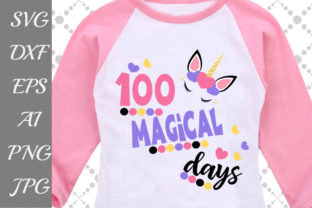
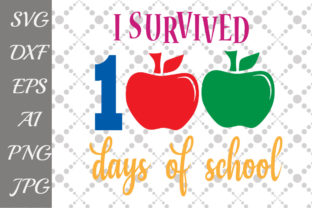
As a designer who regularly evaluates graphics for both digital and physical production, my first look at the 100th Day of School asset was focused on versatility. In the world of crafts and graphics, finding a design that transitions seamlessly from a sublimation print to an embroidery project is rare. This design captures the celebratory, milestone energy required for this specific school event without feeling overly cluttered. The visual personality strikes a balance between playful and structured, which is exactly what you need when targeting teachers, parents, and students. It avoids the chaotic aesthetic that often plagues holiday-themed artwork, offering clean lines that suggest it will digitize well into a machine embroidery design.
The layout feels intentional. Rather than being a generic "100" graphic, it incorporates thematic elements that provide natural breakpoints for color changes and stitch types. For an embroidery designer, this is crucial. We are not just looking at pretty pixels; we are looking at potential satin stitch columns, fill stitch areas, and running stitch details. This graphic provides enough definition to serve as a strong foundation for custom apparel or personalized gifts without requiring extensive redrawing before hitting the digitizing software.
Real-World Application: The Teacher Sweatshirt Test
To truly evaluate this product, I approached it with a specific real-life scenario in mind: creating a custom embroidered sweatshirt for a kindergarten teacher celebrating their class's 100th day. Teachers are my primary clients for this niche, and they demand durability, comfort, and professional presentation. They do not want a stiff, bulletproof patch of thread on their favorite crewneck.
In this context, the 100th Day of School design performs exceptionally well as a left-chest placement or a centered back design. When planning the embroidery file, the graphic’s hierarchy allows for strategic stitch density management. I can utilize lighter fill stitches for the background elements to maintain fabric drape, while reserving denser satin stitches for the numerical focal point to ensure readability from a distance. This practical application highlights why having high-quality vector source files (AI, EPS, SVG) is non-negotiable. Being able to scale the artwork without pixelation means I can adjust the size to fit different garment sizes—from a youth small to an adult XL—without losing edge clarity during the digitizing process.
For Etsy sellers and small shop owners, this specific use case is a bestseller category. The design supports the narrative of achievement and celebration that drives sales in February. However, success depends on execution. Using this graphic for a sweatshirt embroidery project requires testing on similar fleece materials first to ensure the stabilizer choice prevents puckering, especially around the detailed curves of the number shapes.
Navigating Fabric Limitations and Hoop Sizes
While the design is versatile, experienced makers know that not all substrates play nicely with intricate graphics. When using the 100th Day of School asset, you must exercise caution with textured fabrics and stretchy knits. The design likely contains moderate detail suitable for printing, but translating that to needle and thread on a ribbed tank top or a terry cloth towel requires modification.
- Stretchy Fabrics: If applying this to baby clothes or lightweight tees, use a cut-away stabilizer and consider adding a water-soluble topping. This prevents the stitches from sinking into the knit and distorting the celebratory message.
- Small Hoop Sizes: For 4x4 hoop users, resist the urge to shrink the entire design. Instead, isolate key elements. A standalone "100" or a specific icon from the set makes for a perfect embroidered patch or pocket accent. Trying to cram the full composition into a small hoop will result in dense, unappealing stitch clusters.
- Dark Fabrics: Always test thread colors against dark backgrounds. White or cream underlay is essential here to make the design pop. Without proper contrast checking, the festive mood of the 100th Day of School theme can get lost visually.
- Curved Surfaces: If adapting this for caps or hats, verify that the vertical height fits within your cap frame limits. The aspect ratio of print graphics often differs from embroidery-safe zones.
Understanding these limitations protects your reputation as a professional. A distorted design on a finished product reflects poorly on your brand, regardless of how good the original digital file looked on screen.
Beyond Stitching: Maximizing Digital and Print Value
One of the strongest selling points of this download is the inclusion of PNG and JPG formats alongside the vectors. For creative entrepreneurs running a hybrid business model, this 100th Day of School package serves multiple revenue streams simultaneously. While you are stitching out samples for your portfolio, you can use the high-resolution raster files for printable mockups, social media announcements, or matching classroom decor like gift tags and invites.
This cross-media consistency builds brand recognition. Imagine offering a bundle where a customer can purchase a personalized embroidered tote bag featuring the design, along with a matching digital invitation for the classroom party. The visual cohesion between the handmade product and the digital asset increases perceived value. For sublimation businesses, the PNG format allows for vibrant, full-color transfers on poly-coated items that might be too difficult to embroider, such as ceramic mugs or aluminum signs. This flexibility makes the asset a workhorse for any craft business inventory during the winter school season.
Professional Notes for Commercial Success
Before listing any finished item or digital derivative for sale, conduct a thorough technical audit. As a reviewer, I cannot stress enough the importance of verifying licensing terms. Ensure you have the right to sell physical products made with this design versus selling the digital embroidery file itself. Most designers prohibit reselling the raw digitized file, so always create a unique stitch-out that adds your own value through placement, color theory, and garment selection.
When preparing your commercial embroidery listings, photograph the actual stitched result on the intended fabric. Do not rely solely on digital renderings. Customers trust handmade shops that show real texture and stitch quality. Inspect your test runs for registration issues; if the outline doesn't align perfectly with the fill, adjust your pull compensation settings in your digitizing software. The 100th Day of School theme relies on crisp, cheerful aesthetics, and sloppy stitching undermines that joy.
Finally, remember that this design is a tool, not a finished product. Your expertise lies in how you adapt it. Whether you are creating a keepsake baby bib, a teacher appreciation gift, or boutique merchandise, treat the source art as a starting point. Check your stitch density, validate your hoop size compatibility, and confirm your stabilizer strategy. By combining this high-quality graphic asset with professional embroidery practices, you elevate a simple school celebration into a premium, memorable product that customers are proud to display and cherish.